The Housing Market May Be Stronger Than the Headlines Suggest
If you have been following the housing market lately, you have probably seen plenty of discouraging headlines.
Mortgage rates remain higher than many buyers would like. Affordability is still a concern. Homes are not selling at the frantic pace we saw a few years ago. Because of that, some people assume the housing market is weak or that a major crash is right around the corner.
The actual data tells a more balanced story.
Today’s market is certainly different from the unusually competitive market of 2020 and 2021, but different does not automatically mean broken. In many ways, the housing market continues to show a surprising amount of strength and stability.
Today’s Market Should Not Be Compared to the “Unicorn Years”
The housing market of 2020 and 2021 was not normal.
Mortgage rates reached historic lows, buyers competed aggressively for limited inventory, and many homes sold within days, sometimes with multiple offers well above the asking price.
Those conditions were extraordinary. They were never meant to become the standard for every future housing market.
When today’s market is compared only to those unusually active years, it can appear slow or disappointing. But when viewed against a broader historical backdrop, the current housing market is holding up better than many people realize.
Homeowners Have Significant Equity
One of the biggest differences between today’s housing market and the market leading up to the 2008 crash is the amount of equity homeowners currently have.
According to the data highlighted in the KCM article, homeowners across the country hold approximately $35 trillion in total equity, compared with about $14 trillion in mortgage debt. In 2008, homeowner equity and mortgage debt were much closer to equal.
That difference matters.
Homeowners with substantial equity generally have more options. They may be able to sell and use their proceeds toward another home, access funds for necessary improvements, or remain in place without being financially overextended.
The article also notes that homeowners who have owned their homes for approximately five years have built an average of around $180,000 in equity. For those who have owned their homes for six to ten years, the average rises to more than $340,000.
Additionally, roughly two-thirds of homeowners either own their homes outright or have more than 50% equity.
That is not the foundation of a fragile housing market. It reflects a large number of homeowners who are in a much stronger financial position than homeowners were before the last major housing downturn.
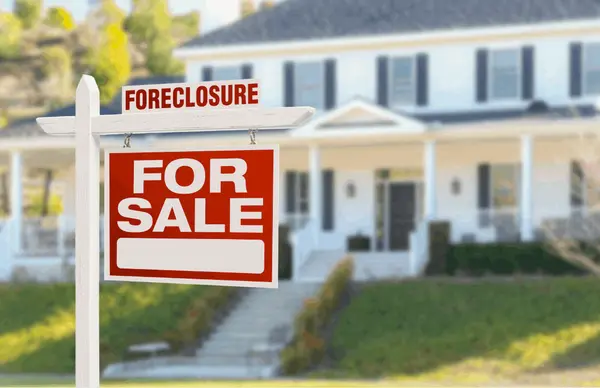
Foreclosures Remain Well Below Historical Levels
Some homeowners are understandably concerned when they hear that foreclosure activity has increased.
However, an increase does not automatically mean foreclosure levels are high.
Although foreclosure activity has risen slightly from the extremely low levels seen in recent years, it remains dramatically below historical norms. Most homeowners are not being forced to sell because they owe more than their homes are worth.
Because many owners have considerable equity, they may be able to sell their homes before reaching foreclosure, even if they experience financial hardship.
That equity provides an important safety net and is another reason today’s market is very different from 2008.
Low Existing Mortgage Rates Are Keeping Some Owners in Place
Another major factor affecting the housing market is what many experts call the mortgage-rate lock-in effect.
According to Federal Housing Finance Agency data cited in the article, more than half of active mortgages have an interest rate below 4%.
For homeowners with those low rates, selling may mean giving up an affordable monthly payment and taking on a new mortgage at a higher rate.
As a result, some homeowners are choosing to remain in their current properties longer than they originally planned. That decision continues to limit the number of homes available for sale in many communities.
Here in Arizona, buyers may see more choices than they had during the height of the pandemic-era market, but inventory, competition, and pricing can still vary greatly by city, neighborhood, and price range.
A home in Mesa may experience very different market conditions than a home in Phoenix, Gilbert, Apache Junction, or another part of the Valley. Real estate remains highly local.
Home Prices Are Stabilizing, Not Collapsing
Home-price growth has slowed nationally, but that is not the same as a widespread crash.
According to the Redfin data referenced in the KCM article, national home prices were still rising at approximately 2% year over year, although the pace of appreciation had cooled significantly.
After the rapid price increases of the pandemic years, slower growth can be healthy.
A more balanced market gives buyers additional time to evaluate their choices and may allow more room for inspections, negotiations and seller concessions. At the same time, homeowners may continue benefiting from long-term appreciation, even if values are not increasing at the pace seen a few years ago.
Of course, national averages do not tell the complete story.
Some Arizona communities, property types and price ranges may see modest appreciation. Others may remain relatively flat or experience price adjustments. The condition, location and pricing of an individual home can make a substantial difference.
What This Means for Buyers
For buyers, today’s market may offer opportunities that were difficult to find during the highly competitive pandemic years.
Depending on the property and location, buyers may have:
- More homes to consider
- More time to make informed decisions
- Greater negotiating power
- Opportunities to request repairs or seller concessions
- Less competition than during the peak bidding-war years
Affordability remains a real challenge, and buyers should carefully consider their monthly payment not just the purchase price.
Waiting for the market to “crash” may not create the opportunity some buyers expect. If prices remain stable and mortgage rates eventually improve, increased buyer demand could bring more competition back into the market.
The right time to buy is not determined by a headline. It depends on your finances, plans, timeline, and the local market.
What This Means for Sellers
Today’s sellers may need to adjust their expectations from what they saw in 2020 or 2021.
Buyers are more cautious, and overpriced homes may sit on the market longer. Presentation, condition, and pricing matter.
However, well-maintained homes that are positioned properly can still attract serious buyers.
Many sellers also have considerable equity, which may give them more flexibility when preparing for their next move. That equity may help cover a down payment, moving expenses, or the cost of purchasing another home at today’s prices.
The key is to understand what your home is worth in the current market, not what a neighbor’s home sold for several years ago or what an online estimate suggests.
The Bottom Line
The housing market is not returning to the frantic conditions of the pandemic years, and that may be a good thing.
We are moving through a period of adjustment. Mortgage rates, affordability, and buyer confidence continue to influence the market, but strong homeowner equity, limited foreclosure activity, and relatively stable prices are helping support housing values.
This is not a market where every buyer should rush to purchase, or every homeowner should immediately sell. It is a market where informed decisions matter.
Whether you are considering buying, selling, or simply wondering what your home may be worth, Realty Network Group is here to help you understand what is happening in your specific area and how it may affect your plans. Reach out anytime at 602-502-6468 or email bret@renetgroup.com
Reference: This summary is based on insights from Bret Johnson, Associate Broker at Realty Network Group at Real Broker and Keeping Current Matters. For the full article, visit Real Estate with Bret Johnson.
Categories
- All Blogs (67)
- Agents (8)
- Arizona Real Estate Market (40)
- Boosting Property Value (9)
- Building Your Real Estate Brand (18)
- Cost of Living Comparisons (7)
- CRM (1)
- CRM Setup and Optimization (1)
- Curb Appeal and Staging (9)
- Curb Appeal Enhancements (8)
- Curb Appeal Tips (6)
- DIY Home Improvements (11)
- First-Time Home Sellers (10)
- holiday tips (2)
- home & living (7)
- Home Buying Advice (35)
- Home Improvement (11)
- Home Preparation (17)
- Home Selling Advice (30)
- Home Selling Tips (18)
- Home Staging Ideas (5)
- Homebuyer and Investor Guides (27)
- Hosting & Entertaining (4)
- Investment Tips and Strategies (15)
- Lead Generation Strategies (1)
- lifestyle (6)
- Lifestyle in Phoenix (16)
- Living in Arizona (17)
- Local Market Analysis (28)
- Market Trends (24)
- Maximizing Home Value (9)
- Moving and Relocation Tips (2)
- Moving Tips and Guides (7)
- Negotiation Strategies (13)
- Neighborhood Spotlights (11)
- Outdoor Activities in Arizona (10)
- Phoenix Metro Housing Market (34)
- Phoenix Metro Real Estate (38)
- Phoenix Real Estate Market (37)
- Preparing to Sell Your Home (11)
- Preparing Your Home for Sale (11)
- Real Estate Advice (28)
- Real Estate Investment (10)
- Real Estate Marketing (13)
- Real Estate Opportunities (7)
- Real Estate Tips (20)
- Real Estate Trends (11)
- Realtor Training (1)
- Recipes & Cooking tips (1)
- Relocation Tips (2)
- Rental Property Insights (1)
- Seasonal (5)
- Seller Resources (11)
- Social Media Marketing for Realtors (2)
Recent Posts